What should the climate movement demand from Great
British Energy?
Private energy companies will not deliver a just and rapid energy transition that protects workers and affected communities or stays within climate limits:
➔ As long as fossil fuels remain more profitable than renewables, then fossil fuel companies will continue to invest in extraction and production, regardless of the impact. Three quarters of North Sea oil and gas firms are set to continue investing solely in fossil fuels production between now and
2030.
➔ Private renewables companies will prioritise quick returns over long-term job creation or community investment. Between 2021 and 2022, turnover for companies involved in the Low Carbon and Renewable Energy economy in Scotland increased by £4 billion, whilst employment in the sector fell by 4,000. Those that have found work in offshore wind face poor terms, conditions, and often pay.
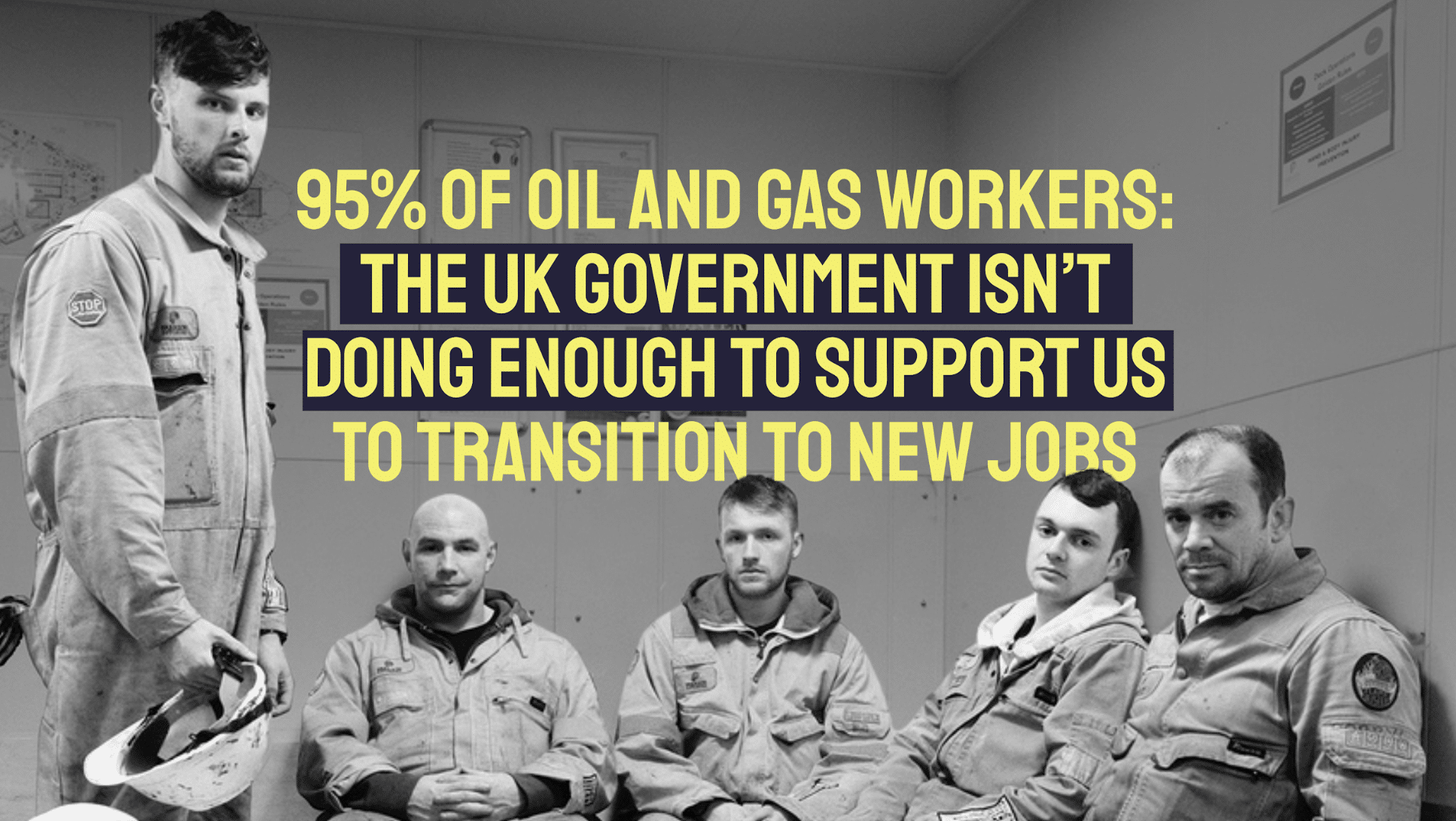
➔ Oil and gas companies who are closing operations are not providing transition pathways or training opportunities for their workforce, as we are seeing with the closure of Grangemouth oil refinery by PetroIneos. Scotland’s Just Transition Commission’s latest assessment concluded that “Scotland is now at risk of going backwards on just transition”. Decisions about how to phase out fossil fuels; where to invest in renewables and job creation; how to
transition the workforce; and energy prices should not be determined by what will deliver the most profit for shareholders.
To deliver a just and rapid energy transition, where the benefits are felt by the public, we need to take back control of our energy system.